Topic Hub
Meditation: Practice, Research, and Reading
Meditation is the most accessible spiritual practice and the most over-explained. This page strips the question to what actually matters: how to start, what the research has shown, and which books help.
What meditation actually is
Meditation is the deliberate use of attention. Different traditions use attention in different ways — some focus it tightly on a single object, some let it rest on the field of experience, some use it to investigate the mind itself — but the underlying skill is the same: being able to direct attention on purpose, and notice when it has wandered.
Most of the difficulty in meditation comes from confusing the skill with its effects. Calm, clarity, insight, and equanimity are common results of regular practice. They are not the practice itself. Sitting down and watching attention wander is the practice. The effects follow.
How to start (the minimum viable practice)
Most introductory instructions over-complicate the first weeks. The minimum practice that works is short and structured.
- Sit somewhere you will not be interrupted. Posture upright, hands resting, eyes closed or softly open.
- Set a timer for ten minutes.
- Notice your breath. Where do you feel it most clearly — the nostrils, the chest, the belly? Rest attention there.
- When the mind wanders, notice it has wandered, and return attention to the breath. The noticing-and-returning is the practice. Wandering is not failure.
- When the timer goes, stop.
Do this daily for two weeks before changing anything. Most people find that ten minutes a day, every day, produces more change than thirty minutes three times a week.
What the research shows
Forty years of meditation research has produced a stable list of confirmed effects. Reduced markers of stress (cortisol, blood pressure). Improved attention and working memory. Decreased anxiety and depression scores in clinical populations. Increased grey matter density in regions associated with self-regulation in long-term meditators.
The research has also produced a less-publicised list. Meditation is not always pleasant — long retreats and intensive practice can surface difficult psychological material that ordinary daily life keeps suppressed. The Brown University Varieties of Contemplative Experience research project documented this in detail. For most daily practitioners this is not a concern. For people considering long retreats it is worth knowing about.
Meditation in the Physi-Tual framework
Meditation is one of the clearest places where the Physi-Tual position becomes operational. The practice is physical — posture, breath, body, room — and spiritual — attention, awareness, presence. Pretending it is only one or the other produces brittle practice.
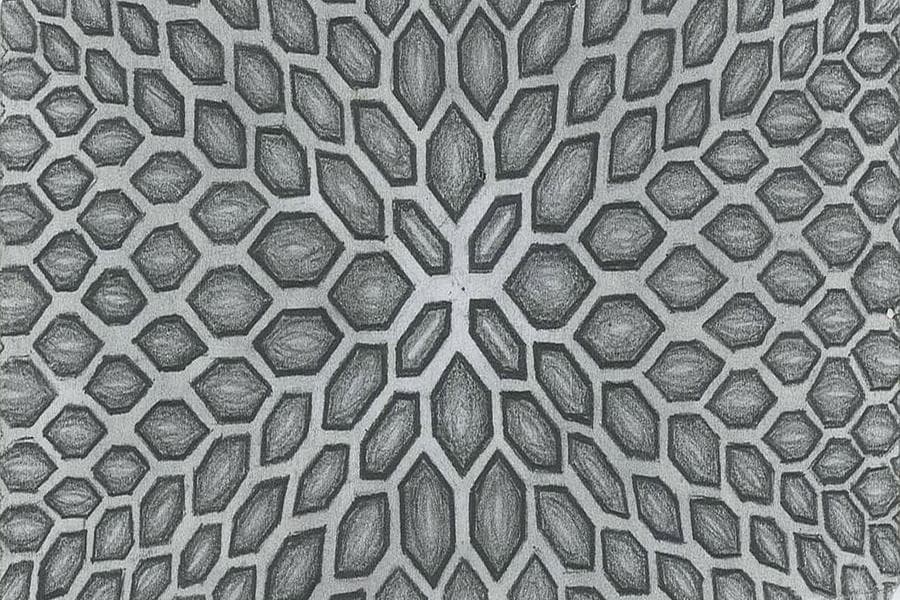
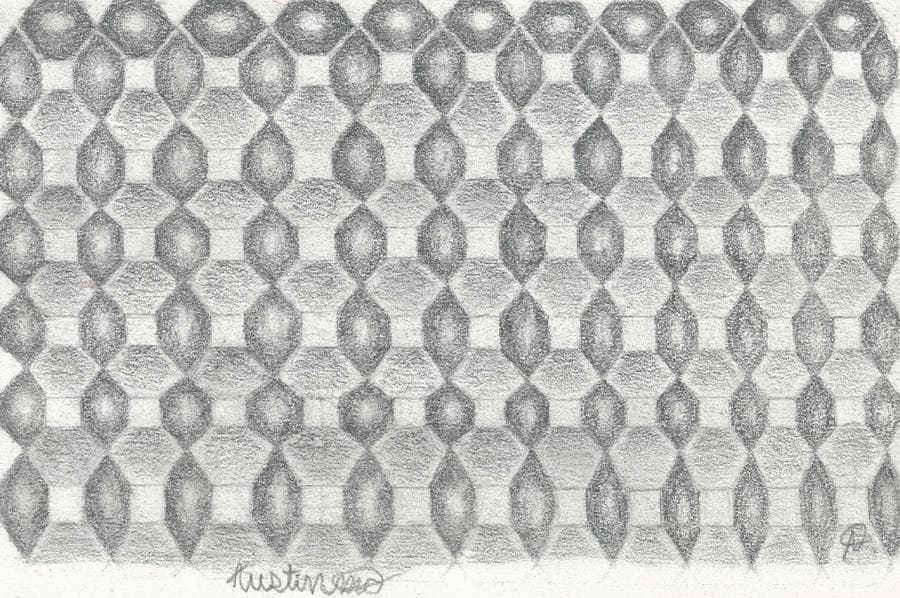
Two of the artworks in the AMC Publishers visual catalogue are designed to support meditation directly. The Opalescent Piece is a sacred-geometry mandala built for centred attention. The Illucid Piece is a diamond lattice built for soft, defocused attention — closer to the awareness used in lucid dreaming and certain advanced traditions. Both are available as yoga mats and tapestries through Fine Art America.
Continue reading
Articles on meditation

Meditation
Best Dream Yoga Books: The Tibetan Practice (2026)
Dream yoga is the Tibetan practice of conscious sleep — not a lucid-dreaming hobby. Here are the books that teach it, and which stage of the path each one covers.
Read →
Meditation
Best Meditation Books for Beginners
Start your meditation practice with the best books for beginners — from mindfulness techniques to spiritual meditation traditions and practical guides.
Read →Visual catalogue
Art on meditation
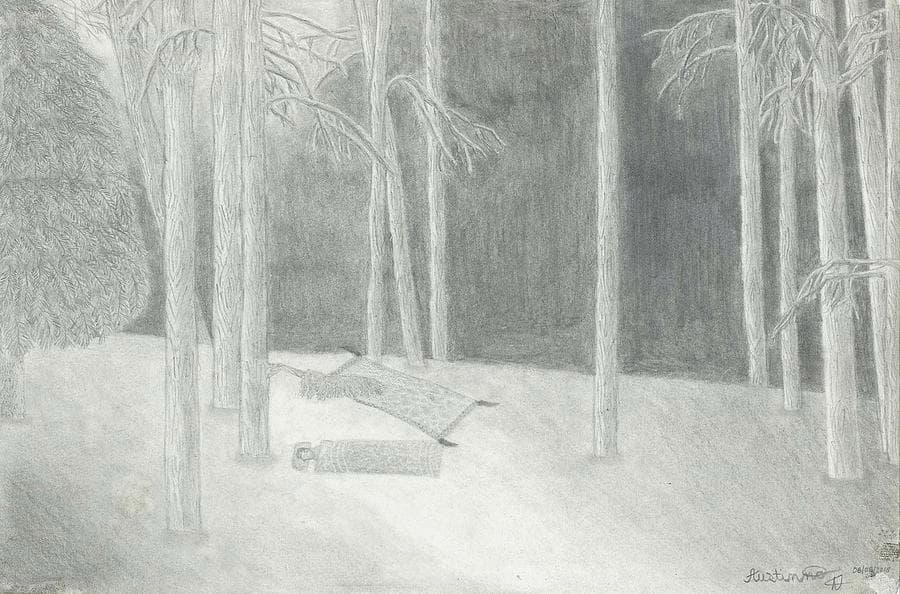
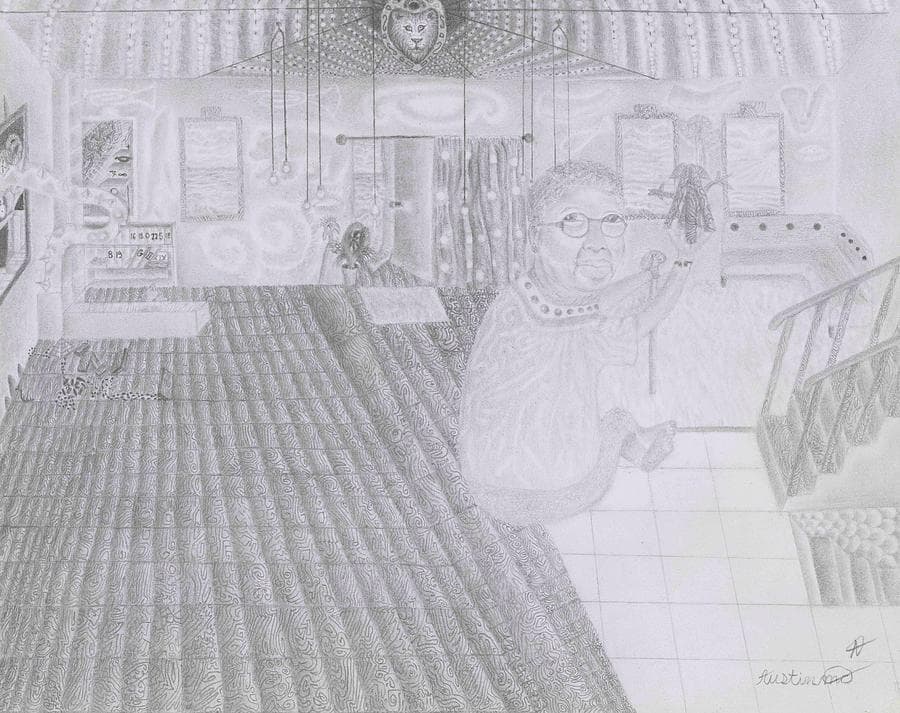
Frequently asked
How long should I meditate each day?
Ten minutes daily, every day, is more effective than longer sessions a few times a week. Once daily practice is established, many practitioners increase to twenty or thirty minutes. Long sessions are not necessary for substantial benefit.
Do I need to sit cross-legged?
No. Posture matters — upright, alert, sustainable for the duration of the sit. A chair is fine. A cushion is fine. Cross-legged on the floor is fine. The body should be comfortable enough to disappear from awareness during the sit.
What if my mind wanders constantly?
It will. That is the practice. The skill being trained is not absence of thought but the ability to notice thinking and return to the chosen object of attention. Beginners often interpret wandering as failure; it is the curriculum.
Is meditation religious?
Meditation has religious roots in Buddhist, Hindu, Christian contemplative, Sufi, and Jewish mystical traditions. The contemporary secular practice strips most of the religious context but uses techniques from those traditions. You can practise without any religious commitment, or use the practice as part of a religious life. Both are common.
Related topics
Explore adjacent topics
Topic Hub
Consciousness
An entry point to the consciousness question — what it is, what research has shown, and the books worth reading.
Read the guide →Topic Hub
Lucid Dreaming
A guide to lucid dreaming — what it is, how to practice it, the research, and the books worth reading. From the Physi-Tual catalogue.
Read the guide →Topic Hub
Spiritual Awakening
A grounded guide to spiritual awakening — what it means, what to expect, and the books worth reading when the old framework no longer fits.
Read the guide →